Massage Chairs for Tall and Heavy Users: What Fits
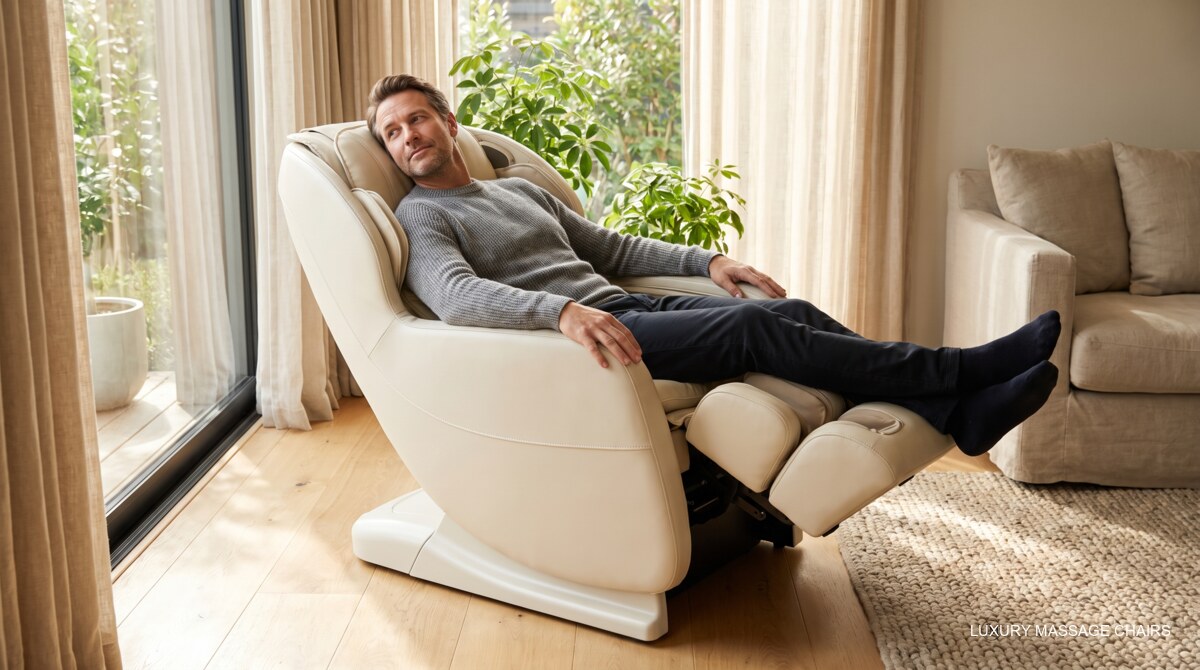
Massage chair marketing is written for an average body. Most product photography shows someone around five foot eight, and most demo experiences are built around that frame. If you are six foot three, or if you carry more than 250 pounds, the honest answer is that a good number of chairs on the market will not work well for you, and the ones that do are identifiable before you ever sit down.
This guide covers what the fit numbers actually mean, which specifications to trust, and what to check in person.
Why fit is the spec that outranks everything
On a massage chair, the rollers travel a fixed path. The body scan adjusts where along that path the pressure is applied, but it cannot extend the track. If your shoulders sit above where the shoulder airbags inflate, no amount of scanning will fix it. If your calves sit above the calf rollers, that part of the massage is simply lost to you.
The same applies to weight, but for a different reason. Weight ratings are structural. They describe what the frame and mechanism are engineered to carry over years of daily use, not what will break immediately. Exceeding the rating rarely causes a dramatic failure, but it does shorten the life of the mechanism and can void warranty coverage.
So fit is not a comfort preference. It determines whether you get the massage you paid for, and whether the chair lasts.
Reading weight capacity honestly
Across our current lineup, the rated capacities cluster in three tiers.
The highest are 330 pounds, found on the Daiwa iLift and on several Kyota models including the Genki M380 and the Joubu M880. If you are shopping above 300 pounds, this is the tier to work within.
The most common tier is 300 pounds, which covers most of the Infinity range including the Luminary, Smart Chair X3, Solstice Deluxe and Restora, and several Kyota models including the Yugana M780, Hatsumei M900 AI and Nokori M980.
The lowest ratings in the lineup are 265 pounds on the BodyFriend Falcon Signature and the Daiwa Supreme Hybrid X, and 200 pounds on the Daiwa Rumba. These are perfectly good chairs, but if you are near or above those numbers they are not the right starting point.
One practical note: if two people of different sizes will use the chair, the rating you care about is the heavier person's, not the average.
Reading height range, and why most brands do not publish it
Weight ratings are almost universally published. Height ranges are not, and that gap is frustrating precisely for the buyers who need the number most.
In our lineup, the Daiwa models are the ones that state it explicitly. The iLift accommodates users up to six foot two. The Rumba is rated to six foot one. The Supreme Hybrid X publishes the widest range, four foot eight to six foot six, which makes it unusually accommodating at both ends.
For chairs that do not publish a height range, the workable proxy is the track length combined with whether the leg rest extends. An L-track chair with an extending leg rest will generally handle a taller frame better than a shorter S-track without extension, but this is an inference rather than a specification, and it is exactly the kind of thing you should verify by sitting in the chair rather than trusting a rule of thumb.
If you are over six foot two, treat any chair without a published height range as unverified until you have tested it.
What to check in person if you are tall
Sit down and let the body scan complete. Then check three things in order.
First, shoulder position. The shoulder airbags should grip across the top of your shoulders. If they inflate around your upper arms, the chair is too short for you and no setting will change that.
Second, neck coverage. Run a full-body program and feel where the top of the roller travel is. It should reach the base of your neck. If it stops between your shoulder blades, you will never get neck relief from that chair.
Third, leg rest extension. Extend it fully and look at where your heels sit. In the foot wells is correct. Hanging over the end means the calf rollers are working on your ankles.
If any of the three fail, move to the next chair rather than trying to adjust your way around it.
What to check if weight is the constraint
Sit down and pay attention to the seat base rather than the massage. A chair that flexes noticeably when you sit is telling you something about how it will hold up over eight years.
Then recline fully and come back up. The mechanism should move smoothly under your weight without straining or hesitating at the transition points. Any hesitation is worth asking about.
Finally, check the seat width against your hips rather than eyeballing it. Several chairs that are rated for higher weights are still narrow through the seat, and the side airbags will feel constricting even though the frame is rated for you.
Chairs with the highest published limits
Live prices from our own catalog. These update when the catalog does.
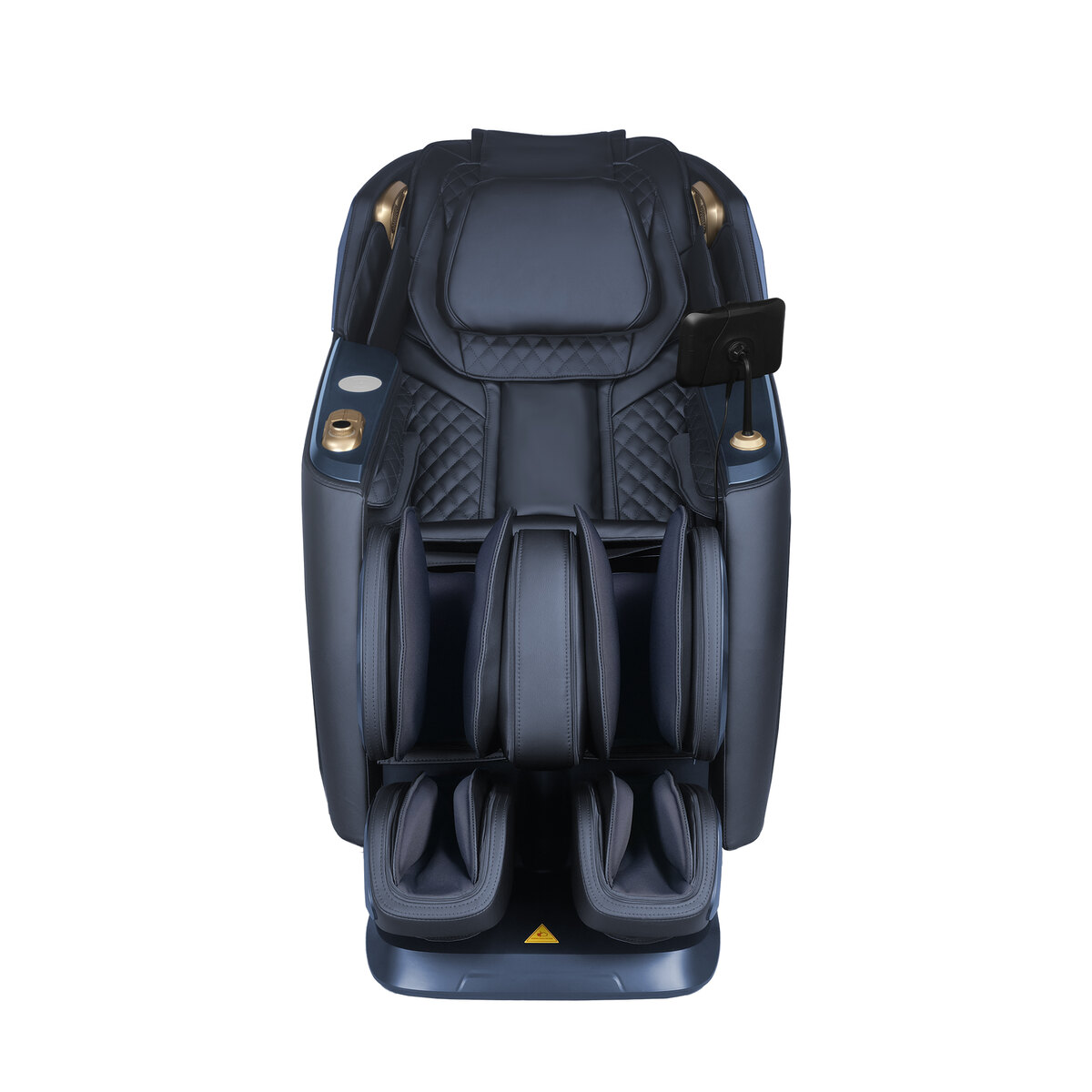
Daiwa
Daiwa Rumba
$4,950 $6,990
4DBody scanHeatZero-G
See full specs →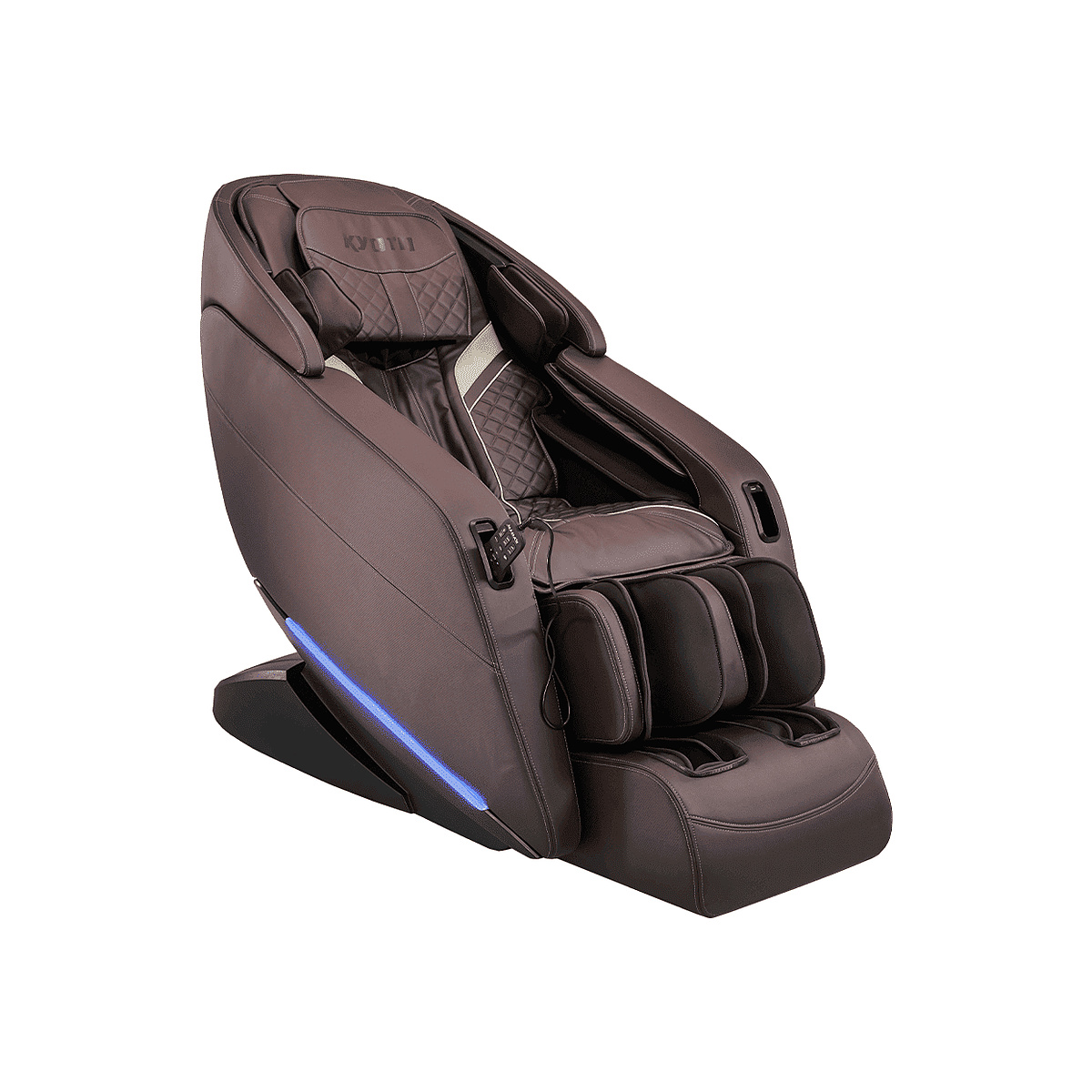
Kyota
Kyota Yugana M780 4D Massage Chair
$7,999 $10,999
4DHeatZero-G
See full specs →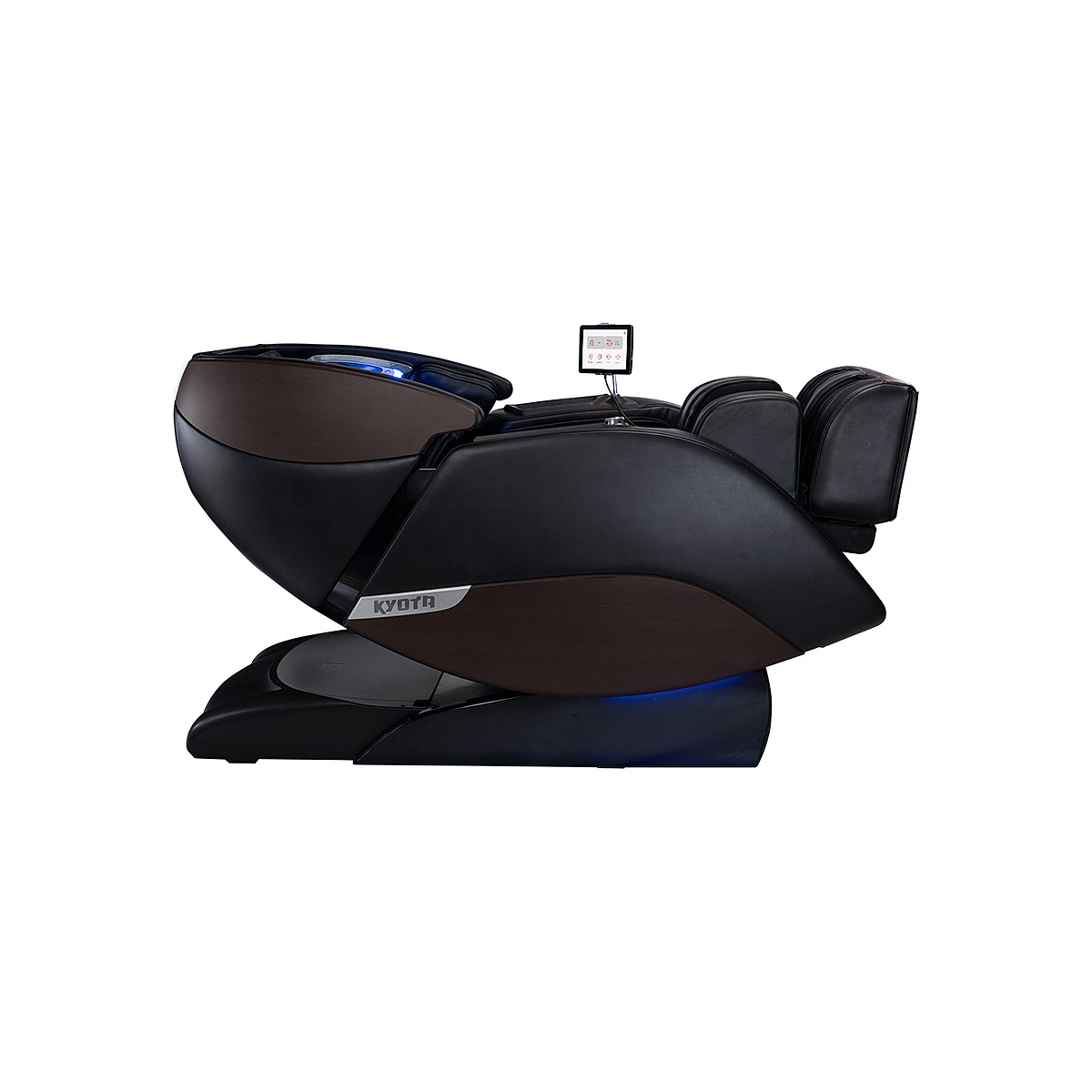
Kyota
Kyota Nokori M980 Syner-D Massage Chair
$11,999 $15,999
4D
See full specs →Frequently Asked Questions
What happens if I exceed the weight rating?
Usually nothing dramatic and nothing immediate. Over time the mechanism wears faster than it should, and most manufacturers treat exceeding the rating as grounds to decline a warranty claim on the affected components. It is not a safety cliff, but it is a real cost.
I am six foot four. Is there any chair that fits me?
Very likely, but the shortlist is genuinely short and you should not shop from photographs. Start with chairs that publish a height range, then test in person. This is the buyer profile where a showroom visit stops being useful and becomes necessary.
Do taller users need a longer track or a longer leg rest?
Usually both, but if you have to prioritise, the track matters more. Leg rest extension is often adjustable. Track length never is.
My partner is five foot two and I am six foot two. Can one chair work for both of us?
Sometimes, and the chairs with the widest published fit ranges are where to look. Body scanning helps a great deal here because it repositions the roller path for each user. Test it with both people present, in the same visit, before deciding.
Are there chairs rated above 330 pounds?
Not in our current lineup. If you need more than that, tell us your requirement and we will tell you honestly whether we can help rather than selling you something that is not rated for you.
Getting the fit right
Fit is the one thing you cannot fix after delivery, and it is the one thing a product page cannot settle. If you are outside the average range in either direction, book a showroom visit and test properly, or browse the collection and start with the models that publish the numbers you need. Our buyer's guide covers the rest of the decision once fit is sorted.